Most homes are designed around how the owner lives. High-performing vacation homes are designed around how guests book them. Those are two different briefs, and the gap between them shows up in occupancy, average nightly rate, and how easily a home earns repeat stays.
Bedroom count and configuration, bathroom placement, communal space, kitchen and dining capacity, privacy, outdoor living, and parking are not purely aesthetic decisions. They shape which groups can comfortably book a home at all. In a vacation rental, a layout that limits usable sleeping arrangements or forces eight guests to share one gathering space narrows the pool of travelers who will consider the property before it ever reaches the market.
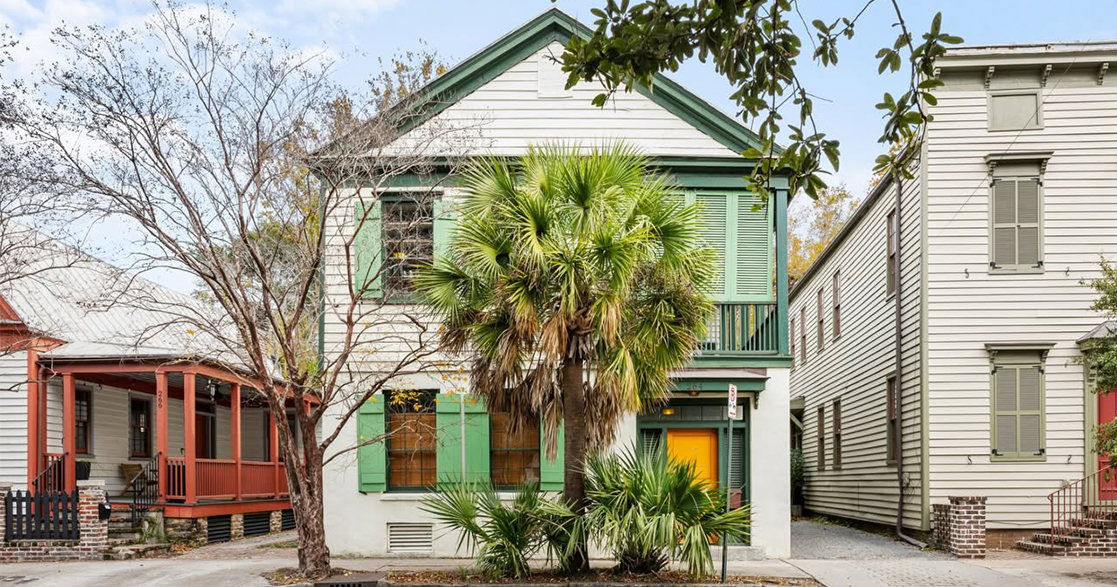
The strongest luxury vacation properties in Charleston, on Isle of Palms, at Folly Beach, and in Savannah, GA, tend to have something in common: someone thought about guest use early, and made deliberate choices. Below is how our team at Curated Vacation Properties thinks about design as part of asset performance — and where owners typically have the most room to improve without a full renovation.
Why Layout Is a Performance Question, Not a Style Question
Design decisions influence three things a revenue strategy depends on: who can book, what they will pay, and how they review the stay afterward.
-
Who can book. Sleeping capacity, bathroom count, and accessibility determine whether a home fits a couple, a family, or a multi-generational group. Each of those audiences searches differently.
-
What they will pay. Guests comparing similar-looking listings often decide on practical detail — a second gathering space, a kitchen that can host a real dinner, a comfortable place to sit outside.
-
How they review. Layout friction, such as a bedroom that only works for children or a single bathroom shared by two couples, can create avoidable disappointment when the listing does not set expectations clearly.
Luxury vacation rentals are judged on this kind of detail, and it’s the same logic behind hospitality asset management: pricing, marketing, operations, and the physical product are connected levers. When the product does not match what the market is searching for, the pricing strategy is working uphill.
Bedroom and Bathroom Configuration
Bedroom count is the first filter almost every guest applies. Configuration is what determines whether that count is genuinely usable. A four-bedroom home with three king suites and a bunk room serves a very different group than a four-bedroom home with one primary suite and three small rooms sharing a hall bath.
Questions worth asking about your own vacation rental — and about vacation homes you are considering buying:
-
How many bedrooms can comfortably host two adults, not just one guest or a child?
-
How many bathrooms serve those rooms, and how far is the walk?
-
Is there a bedroom on the main level for guests who would rather not take stairs?
-
Are flexible sleeping arrangements presented honestly, so expectations match the stay?
Where the structure and local requirements allow it, adding a bathroom or creating a more flexible sleeping area may change the size of group the home can serve. Any such project should be evaluated with qualified design, construction, and permitting professionals.
Communal Space: Where Groups Actually Spend Their Time
Groups don’t book a house for its bedrooms alone. They book it for the hours in between — mornings before the beach, late afternoons after it, and the long dinner at the end of the day. A home that gives ten guests one sofa and a television is technically large enough and functionally too small.
Two useful moves: create more than one place to gather, and make seating count. A second living area, a den, or a covered porch lets part of the group watch a game while others read or cook. Seating for the full occupancy, rather than for half of it, is one of the least glamorous and most appreciated upgrades in a vacation home.
Kitchens and Dining Capacity
For families and multi-couple trips, the kitchen is the center of the stay. Counter space, prep room for two cooks, and enough dishware and cookware for the home’s stated occupancy matter more than a marquee appliance, and it’s one of the amenities guests mention most in reviews. Dining is the same story: if the table seats six and the house sleeps ten, the group splits up for every meal.
Practical improvements here are usually modest — a larger table, added bar seating, a second coffee setup, a serviceable outdoor dining area — and they read clearly in photography, which is where most booking decisions begin.
Privacy, Zoning, and Multi-Generational Stays
Charleston-area travel skews toward groups celebrating something: a reunion, a wedding weekend, a milestone birthday. Those groups value separation. A primary suite on a different floor from the other bedrooms, a bedroom wing away from the main living space, or a carriage-house setup gives everyone somewhere to retreat.
Homes that support group travel well also tend to fit large group reservations and weddings and events demand, which our team sources directly rather than waiting for it to arrive through listing sites.
Accessibility and Vertical Circulation
Elevators, main-level bedrooms, step-free entries, and wider doorways are considerations rather than universal features, and they are not right for all properties or budgets. Where they already exist, they should be documented clearly, because some travelers actively filter for accessibility-related features. Where they do not, small measures still help: sturdy handrails, good stair lighting, a full bath on the entry level.
The honest version of this discussion matters. Describing what a home does and does not offer accurately protects reviews and reduces the chance of a mismatched booking.
Outdoor Living in a Coastal Market
On Isle of Palms and Folly Beach, outdoor space often carries as much weight as interior square footage. Shaded seating, a functional grill area, an outdoor shower, and a clear path to the beach are the details guests remember. Where a property already has a private pool or spa, that feature can be a major point of comparison — and it should be photographed and described with care.
Not every home can add a pool, and not every lot should. The broader point is that usable outdoor living, at whatever scale the property allows, can strengthen the appeal of luxury vacation rentals along the coast. In downtown Charleston, the equivalent is a well-furnished piazza, courtyard, or roof deck.
Photography and Positioning
A well-designed vacation rental still underperforms if the listing does not communicate it. Photography should show the flow between spaces, the full dining setup, each bedroom’s real configuration, and the outdoor areas in good light. Titles and descriptions should lead with what makes the home genuinely different — location, layout, group capacity, or a standout feature — instead of generic adjectives.
This is where positioning connects to design. Two vacation homes with similar amenities can perform differently simply because one is presented in a way that matches how guests search across the Charleston and Isle of Palms markets.
Targeted Improvements vs. Full Renovation
Owners often assume the choice is between doing nothing and gutting the house. In practice, targeted work can be worth evaluating before a full renovation: adding seating and dining capacity, making an underused room more functional, refreshing tired furnishings, improving lighting, upgrading beds and linens, addressing a bathroom bottleneck, and making outdoor space genuinely comfortable.
Larger projects — adding a bathroom, reconfiguring a floor plan, installing an elevator — are worth evaluating case by case against the property, the market, and how long you intend to hold the asset. That is a conversation about numbers, not taste.
How CVP Helps Owners Design for Performance
Interior design advice is part of what we provide on retainer for our owners, because a listing refresh is one of the more direct ways to support top-line revenue. Our team reviews the home the way a guest will experience it, flags where layout or furnishings limit bookings, and prioritizes changes by likely impact rather than by cost alone.
That work sits alongside the rest of our revenue optimization engine: programmatic weekly pricing revisions, a custom owner dashboard, maintenance and expense approvals with no surprises, and a concierge and guest experience program rooted in “Unreasonable Hospitality.” Net operating income is the metric we manage toward, and our fee is straightforward.
Start With Your STR Wealth Forecast™
Before committing to any project, it helps to know what the home could reasonably do. Our Get Your STR Wealth Forecast™ is a free personalized Revenue Potential Report — an annual income forecast built from real booking data and market trends, backed by our experience working with hundreds of owners in the area. It takes three steps:
-
Fill out the form with your property details.
-
We analyze your home using real booking data and market trends.
-
Receive your results as a personalized Rental Projection Presentation.
From there, design decisions become easier to weigh, because you are measuring them against a forecast.
Frequently Asked Questions
Does layout really affect how much a vacation rental earns?
It affects who can book the home and how the stay is experienced, both of which feed into rate and occupancy. Configuration, communal space, and outdoor living are among the factors we look at when evaluating a property’s potential.
Is adding a bedroom or bathroom worth it?
It depends on the property, the market, and your hold period. A good starting point is understanding your current earning potential, then comparing the cost of the project against the group sizes it would open up.
Do I need a private pool to compete?
No. Private pools are a strong draw where they exist, but many well-performing luxury vacation rentals compete on location, layout, comfortable outdoor living, and service instead.
What if my home is mainly for family use?
Many of our owners use their home several times a year and rent it the rest of the time. The goal is a property that performs well and still feels like yours, which is how we approach design recommendations.
Does CVP help with interior design?
Yes. Interior design advice on retainer is included for CVP owners, focused on listing refreshes that support revenue rather than redecorating for its own sake.
Which markets does CVP serve?
Charleston, SC; Isle of Palms, SC; Folly Beach, SC; and Savannah, GA.
Talk Through Your Property
If you own a vacation home in the Lowcountry and suspect the layout is limiting what it can do, let’s look at it together. Start with your Charleston, Isle of Palms, Folly Beach, or Savannah owner page to request your STR Wealth Forecast™, or contact our team to book a call. You can also reach us at 833-STAYCVP (833-782-9287).