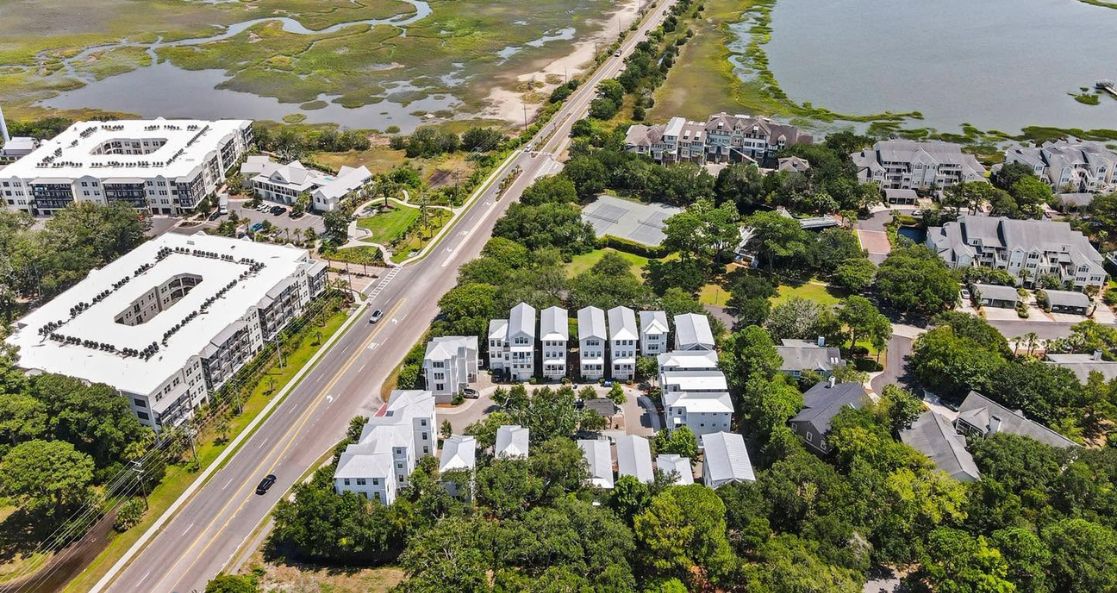
Mount Pleasant offers a unique position in the Charleston vacation rental market. Visitors can stay close to downtown Charleston, Sullivan’s Island, and Isle of Palms while enjoying the restaurants, waterfront, neighborhoods, and attractions that make Mount Pleasant a destination in its own right.
For property owners, however, short-term rental property opportunities are limited by more than location and demand. The town of Mount Pleasant caps the number of STRs, requires annual permitting, and has specific rules for occupancy, parking, local representation, and continued permit eligibility.
That makes understanding a property’s legal rental path especially important before building an investment strategy around vacation rental income.
Curated Vacation Properties brings local market knowledge, revenue strategy, and hands-on management together to help Mount Pleasant owners make the most of properties that qualify for short-term rental use.
What Qualifies as a Short-Term Rental in Mount Pleasant?
The town of Mount Pleasant defines a short-term rental as a residential dwelling unit, or a portion of one, rented for fewer than 30 consecutive days. (Town of Mount Pleasant Zoning Code)
The town allows several types of STR arrangements, including renting an entire home to one guest or group, renting bedrooms while the operator continues to live in the dwelling, and renting a legally established accessory dwelling unit. When an owner does not live on the property, the principal residence and accessory dwelling unit cannot be rented separately to different STR guests. (Town of Mount Pleasant Zoning Code)
STR operators need an approved town permit and business license. Properties must also comply with applicable zoning and private restrictions. A town permit does not override enforceable HOA rules, condominium restrictions, or neighborhood covenants that prohibit short-term rentals. (Town of Mount Pleasant; Town of Mount Pleasant Zoning Code)
Mount Pleasant’s 400 Short-Term Rental Cap
Mount Pleasant currently limits the number of residential dwelling units that can operate as short-term rentals to 400. (Town of Mount Pleasant Zoning Code)
Existing STR operators who apply for renewal during the town’s designated renewal period and meet the previous year’s requirements are not subject to the cap for that renewal. Once renewals are processed, remaining permits may be offered to prospective operators on the town’s waitlist. (Town of Mount Pleasant Zoning Code)
The town’s current STR information states that the 2026 renewal period has ended and any remaining permits are being offered to people on the waitlist. Property owners interested in obtaining an STR permit can contact the town to request placement on that list. The waitlist is currently approximately 300 properties long which may take up to 2 years to be eligible for a permit. (Town of Mount Pleasant – Short-Term Rentals)
An existing permit also does not transfer with the sale of a property. A new owner must apply and qualify under the town’s current requirements before a new permit can be issued, subject to a limited exception for certain joint tenants with right of survivorship. (Town of Mount Pleasant Zoning Code)
For prospective buyers, permit availability should therefore be confirmed before projected STR income is factored into a purchase decision.
Mount Pleasant STR Permit Requirements
Operating a short-term rental in Mount Pleasant involves ongoing requirements beyond receiving the initial permit.
Depending on the property and rental arrangement, owners should plan for requirements involving:
- Annual STR permitting
- Town business licensing
- Approved bedrooms and occupancy
- Off-street parking
- A designated local agent
- Fire and building code compliance
- General liability insurance
- Posted property and guest information
- Applicable neighborhood restrictions
(Town of Mount Pleasant Zoning Code)
For whole-house rentals, maximum overnight occupancy is generally limited to two people per bedroom plus two additional people. A legally established accessory dwelling unit used as an STR is limited to no more than three occupants. (Town of Mount Pleasant Zoning Code)
The town requires at least one additional off-street parking space for each residential dwelling unit rented as an STR. Operators must identify the designated renter parking and establish the maximum number of renter vehicles allowed at the property. (Town of Mount Pleasant Zoning Code)
Every STR must also have a designated local agent who can physically respond to the property within 60 minutes in an emergency. The owner can serve as the agent if able to meet that requirement or can designate another qualified individual or business. (Town of Mount Pleasant Zoning Code)
Keeping a Mount Pleasant STR Permit
Mount Pleasant also requires existing STRs to demonstrate actual rental activity to qualify for annual renewal.
Operators must provide proof that the property was rented for at least:
- 24 nights
- Across four separate bookings
during the prior permit year. (Town of Mount Pleasant Zoning Code)
That requirement is particularly important for owners who intend to use the property primarily as a second home. Even a compliant property can lose its ability to renew if it does not meet the town’s minimum rental activity requirement.
Mount Pleasant STR Fees
The current town Zoning Code lists non-refundable STR application fees of:
- $250 for an owner-occupied STR
- $500 for a whole-house rental or accessory dwelling unit
(Town of Mount Pleasant Zoning Code)
A separate town business license is also required. Because fees and application requirements can change, owners should confirm current costs directly with the town when applying or renewing.
Taxes for Mount Pleasant Short-Term Rentals
Short-term rental operators may be responsible for state and local sales and accommodations taxes, along with applicable property and business license taxes.
The town directs STR operators to the South Carolina Department of Revenue and Charleston County for applicable tax requirements. Owners should confirm which registrations, tax rates, and filing obligations apply to their specific property and rental arrangement rather than relying solely on what a booking platform may collect. (Town of Mount Pleasant – Short-Term Rentals)
Before Buying a Mount Pleasant Property for Short-Term Rental Use
Because Mount Pleasant limits the number of STRs allowed, confirming the legal rental path should come before relying on projected vacation rental revenue.
Before purchasing, determine:
- Is the property within the town of Mount Pleasant?
- Does zoning allow the intended STR use?
- Are there HOA, condominium, or neighborhood restrictions?
- Are STR permits currently available, or will you need to join the waitlist?
- Does the property currently have an STR permit?
- What happens to that permit when the property is sold?
- Do the approved bedrooms, occupancy, and parking support your intended rental setup?
- Has an existing STR met the 24-night and four-booking renewal requirement?
- Who will satisfy the town’s 60-minute local response requirement?
- Which permit, licensing, insurance, and tax costs apply?
Once those questions are answered, the property can be evaluated based on its actual vacation rental potential rather than an assumed ability to operate as an STR.
Is Mount Pleasant a Good Market for a Short-Term Rental Investment?
Mount Pleasant gives guests something a little different from staying downtown or directly on the beach. Its location puts Charleston, Sullivan’s Island, and Isle of Palms within easy reach while offering its own waterfront, dining, shopping, and Lowcountry character.
For owners, the biggest consideration is gaining access to the STR market. The town currently limits STRs to 400 residential dwelling units, maintains a waitlist when permits aren’t available, and generally requires a new owner to obtain a new permit when a property changes hands. (Town of Mount Pleasant Zoning Code)
That makes the right Mount Pleasant property an opportunity worth evaluating carefully rather than ruling the market in or out based on the cap alone. Once permit eligibility is clear, owners can look at demand, pricing, seasonality, operating expenses, and projected revenue to understand how the property fits their broader investment goals.
Frequently Asked Questions
How many short-term rentals does Mount Pleasant allow?
Mount Pleasant currently caps the number of residential dwelling units used as STRs at 400. Existing qualifying operators can renew under the town’s renewal provisions, while permits remaining after renewals may be offered to prospective operators on the waitlist. (Town of Mount Pleasant Zoning Code)
Is there a Mount Pleasant STR waitlist?
Yes. The town’s current STR page instructs property owners interested in obtaining a permit to contact the town to request placement on the waitlist. For 2026, remaining permits after renewals are being offered to people on that list. (Town of Mount Pleasant – Short-Term Rentals)
Does a Mount Pleasant STR permit transfer when a property sells?
No. The town’s current Zoning Code states that an STR permit does not transfer when a property is conveyed. A new owner must apply and qualify for a new permit, subject to a limited exception involving certain joint tenants with right of survivorship. (Town of Mount Pleasant Zoning Code)
How often does a Mount Pleasant STR need to be rented?
To qualify for annual renewal, operators must document at least 24 rented nights across four separate bookings during the previous permit year. (Town of Mount Pleasant Zoning Code)
What is the occupancy limit for a Mount Pleasant STR?
For whole-house rentals, maximum overnight occupancy is generally two people per bedroom plus two additional people. An accessory dwelling unit used as an STR is limited to no more than three occupants. (Town of Mount Pleasant Zoning Code)
How much parking does a Mount Pleasant STR need?
The town requires at least one additional off-street parking space for each residential dwelling unit rented as an STR. The operator must identify the renter parking area and establish the maximum number of renter vehicles allowed at the property. (Town of Mount Pleasant Zoning Code)
Can an HOA prohibit short-term rentals in Mount Pleasant?
Yes. Town approval does not override enforceable neighborhood covenants or other private restrictions that prohibit short-term rental use. (Town of Mount Pleasant Zoning Code)
Where to Verify Mount Pleasant STR Requirements
Because short-term rental permit availability, application requirements, and fees can change, owners and prospective buyers should verify current information directly with the Town of Mount Pleasant.
The town currently lists Jane Yager-Baumrind as its short-term rental coordinator. STR questions and waitlist requests can be sent to [email protected]. Owners can also review current information and application requirements through the town’s Short-Term Rental Program. (Town of Mount Pleasant)
Take a Closer Look at Your Property’s Earning Potential
A Mount Pleasant home can offer compelling vacation rental potential, but the town’s permit cap makes eligibility an especially important part of evaluating the opportunity. Once the regulatory side is clear, the focus can shift to what matters for the investment itself — demand, pricing, seasonality, operating costs, owner use, and long-term performance.
Curated Vacation Properties combines real booking data with local market expertise and full-service Hospitality Asset Management™ to help owners understand what their property could realistically achieve.